Bulging Disc vs Herniated Disc: What’s the Difference?
By Eduardo Velasco Valido, AP, LAc,
9 min read
Sometimes pregnancy makes your body feel scattered. Alongside the thrill, you may experience aches and pains that you didn't expect. For relief, more and more patients turn to complementary medicine that can ease nausea, headaches, back pain, and digestive discomfort without prescription drugs. Acupuncture for pregnancy has been used throughout Asia for thousands of years, and it's a popular alternative therapy in many countries today.
Traditional acupuncture is safe, and it has been used and refined for millennia.
Anatomy of a Spinal Disc
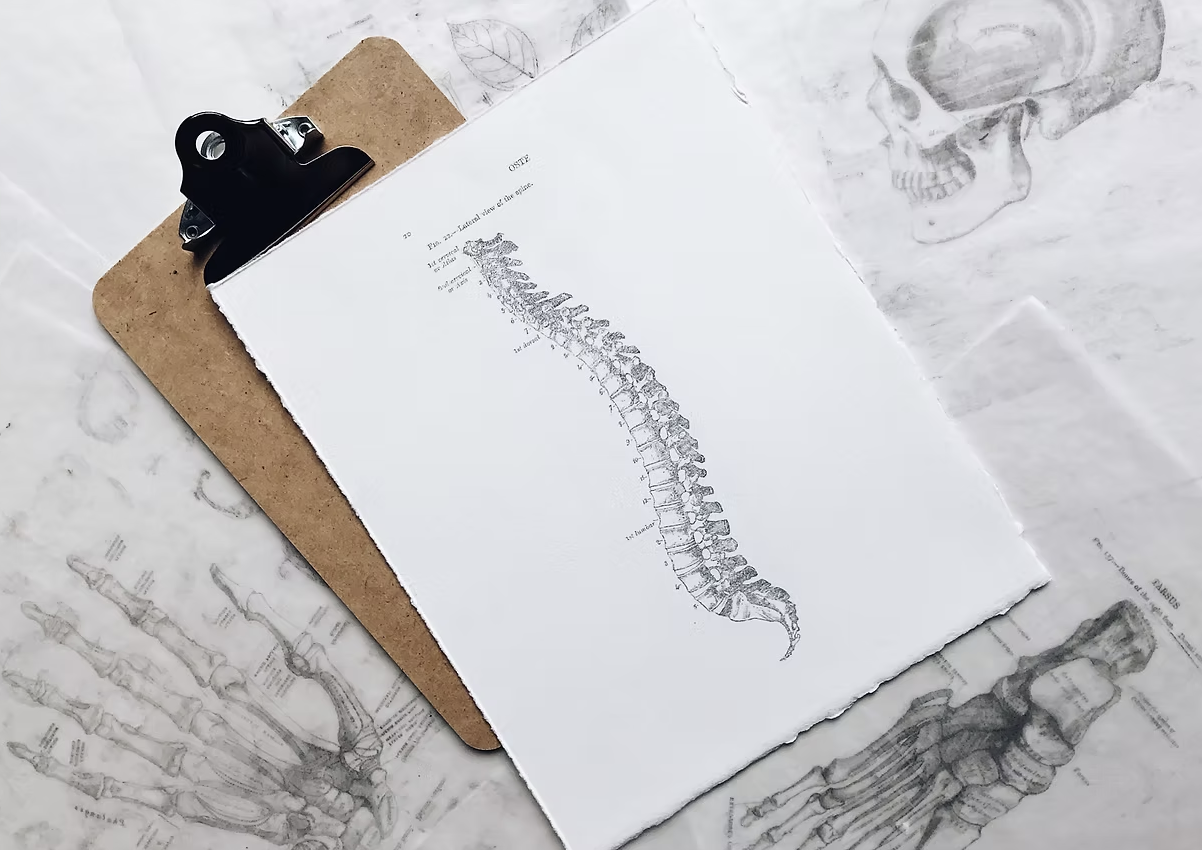
Your spine is made up of 24 bones called vertebrae, stacked one on top of the other. These bones connect to create a canal — the spinal canal — that protects the spinal cord.
Inside the canal, the spinal cord connects the brain with the muscles and organs.Between each vertebra are flexible intervertebral discs. They absorb shock when you walk or run.
Causes of a Herniated or Bulging Disc
Over time, discs dehydrate and their cartilage hardens. These changes can cause the disc's outer layer to bulge, and depending on where the bulge is, you may or may not have pain. It hurts when the bulge presses on a nerve.
Herniated Disc
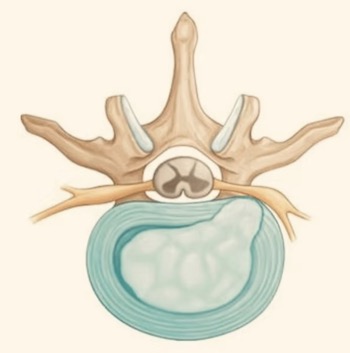
A herniated disc occurs when a crack in the tough outer layer of cartilage allows some of the softer inner cartilage to protrude.
It is one of the most common causes of low back pain and leg pain (sciatica).
Between 60% and 80% of people suffer from low back pain at some point, and a high percentage of that pain is caused by a herniated disc.
Herniated disc pain is more common than bulging disc pain because the protrusion is usually larger and more likely to irritate nerve roots. But not all herniated and bulging discs produce symptoms — determining whether a worn disc is the actual source of a patient's pain remains a real challenge for clinicians.
In Chinese medicine, there are many more reasons a disc may herniate or bulge. To simplify: when a joint degenerates, it's because blood flow in the area is poor. The tissue isn't receiving proper nutrition and isn't eliminating waste, so it degenerates — and depending on the individual, it does so in one way or another.
Symptoms
Herniated Disc Symptoms
- Back pain
- Neck pain
- Localized pain
- Leg and/or foot pain (sciatica)
- Numbness or tingling in the leg and/or foot
- Weakness in the leg and/or foot
- Nerve compression, sciatica
- Loss of bladder or bowel control (rare)
Loss of bladder or bowel control can indicate a more serious problem called Cauda Equina syndrome. It's caused by compression of the spinal nerve roots and is a spinal injury that requires immediate medical attention.
Bulging Disc Symptoms
The symptoms can be the same as a herniated disc, but are usually less severe.
How It's Diagnosed
Your doctor will ask questions to gather information about your medical history and perform a physical examination, checking for muscle weakness or a neurological problem.
An MRI may confirm the diagnosis of a herniated disc.
In our clinic, pulse and tongue diagnosis tell us how your body is functioning as a whole — circulation, tissue nutrition, and the pattern behind the pain. That's what guides treatment. It doesn't replace an MRI, and it isn't meant to.
Risk Factors
- Gender. Men between 30 and 50 have a higher probability of intervertebral disc damage.
- Improper lifting of a heavy weight with poor posture. Twisting your body while lifting makes your back more vulnerable.
- Repetitive activities that overload the spine, or active trauma.
- Age-related degeneration.
- Sitting for long periods.
- Sedentary lifestyle. Regular exercise helps prevent many conditions, bulging or herniated discs included.
- Smoking. It reduces the oxygen that nourishes the discs and accelerates tissue degeneration.
With the help of TCM, we also know that nutrition and lifestyle play a massive role in disc and vertebrae pathology. Poor food, poor rest, repetitive emotional patterns, and imbalance in the internal organs can all contribute to these back conditions.
Prevention
Living a healthy life, eating a balanced diet, and staying active are excellent ways to prevent these issues. But day by day we eat more processed, inflammatory food and live more sedentary lives.
It's estimated that 80% of Americans will suffer a slipped or ruptured disc at least once in their lifetime.Chinese medicine offers a way to treat and prevent many conditions.
The right herbal formula for you helps avoid the imbalances that would otherwise contribute to a herniated or bulging disc.
When Should I Look for Help?
If you're experiencing severe or persistent back pain, seek medical help. Generally, if the pain doesn't resolve within a few days, or is accompanied by concerning symptoms such as fever, numbness, tingling, or weakness, get medical advice as soon as possible.
Which Is the Best Treatment for a Bulging or Herniated Disc?

Traditional Chinese Medicine
TCM should be the first option, because when properly applied it offers great results with almost no side effects, and probably the best cost-effect ratio.
The best and fastest results come from acupuncture, Chinese herbs, and nutrition together. We build an individualized treatment plan for every patient, which is why we get good results. Within a few weeks, most patients feel a considerable release of their pain.
The advantage of TCM is that we treat the root of the problem — so we address the origin of the condition, and we're also effective at preventing new ones.
Non-Surgical Treatment

Unless there are neurological deficits — muscle weakness, difficulty walking — or Cauda Equina syndrome, the first course of treatment is conservative care. Since it isn't clear that surgery is a better option, it's worth trying other approaches before going under the knife.
Learning pain management can make a big difference in daily life, and acupuncture is one of the best ways to do it — it usually reduces pain considerably.
Standard non-surgical measures include:
- Rest. Generally 1–2 days of rest can reduce acute pain. Avoid lifting heavy objects during this time. Don't stay in bed for long periods, and avoid sitting for long stretches. Move slowly and consciously, avoiding activities that aggravate the pain.
- Anti-inflammatory medication. Ibuprofen or naproxen may reduce pain. Many herbal formulas also work efficiently with fewer gastrointestinal side effects.
- Physical therapy. Some exercises strengthen the lumbar area and the abdomen, stabilizing the back and reducing inflammation and pain.
- Epidural steroid injection. Steroids reduce inflammation, and in some acute situations this can be very beneficial.
Injections don't always solve the problem and may produce side effects: localized increase in pain, anxiety, insomnia, high blood sugar, and a decrease in immunity from the suppressive effect of steroids.
Surgery
Only a small percentage of patients with lumbar disc herniation require surgery. Spine surgery is typically recommended only after a period of non-surgical treatment has failed to relieve symptoms.
Microdiscectomy is the most common surgery for herniated discs in the lumbar area. It consists of surgically removing the herniated disc or any fragment pressing on the nerves.
Risks of Surgery
When you need it, surgery can save your life. But it should be the last option, because of the risks:
- Bad reaction to anesthesiaInfection
- Blood clotsHeart attack
- Stroke
- Nerve damage, which may produce weakness, paralysis, pain, sexual dysfunction, or loss of bowel or bladder control
Patients choose surgery to get rid of their pain, but it doesn't always allow them to return to normal physical activity, and it doesn't always resolve the pain.
Can Disc Injuries Get Worse After Surgery?
There are cases where the pain becomes worse. Any surgery is a significant trauma. The procedure removes the herniated or bulging disc, but in the process the surgeon cuts through layers of tissue that your body must also heal — which can create new issues.
In a spinal fusion, the surgeon screws plates alongside the spine to limit movement in that area. But the spine is designed to move as a unit. Restricting motion in one place increases stress on the neighboring areas, often becomes painful, and may mean another fusion later.
Western medicine often offers necessary solutions, but they can have significant side effects. We recommend trying effective non-invasive natural treatments first, such as traditional Chinese medicine.
If You're in Fort Lauderdale
Back and disc pain is one of the most common reasons people come to our clinic. We treat it with acupuncture, custom herbal formulas, and nutrition guidance, usually in combination.Most patients feel meaningful relief within a few weeks.
If you've been told surgery is your only option, or you're managing pain with medication and want another route, a Chinese medical exam will tell you whether we can help.
Book a Chinese medical exam at Soul Acupuncture & Herbal in Fort Lauderdale.
This article is meant to educate, not to diagnose or treat. Always contact your primary care provider.