
Oxalate Dumping: Symptoms, Causes, and How to Avoid It
By Eduardo Velasco Valido, AP, LAc
Reading time: ~8 min
Started a low-oxalate diet and feel worse — achy joints, brain fog, flu-like symptoms, rashes? That's the paradox of oxalate dumping: cutting high-oxalate foods too fast can trigger a temporary reaction as your body flushes stored oxalates. Oxalates are natural plant compounds that bind calcium and can form crystals, and some people are more sensitive than others.1 Here's how it happens, what it feels like, and how to avoid it — plus how Chinese medicine supports the body through it.
What Oxalates Are
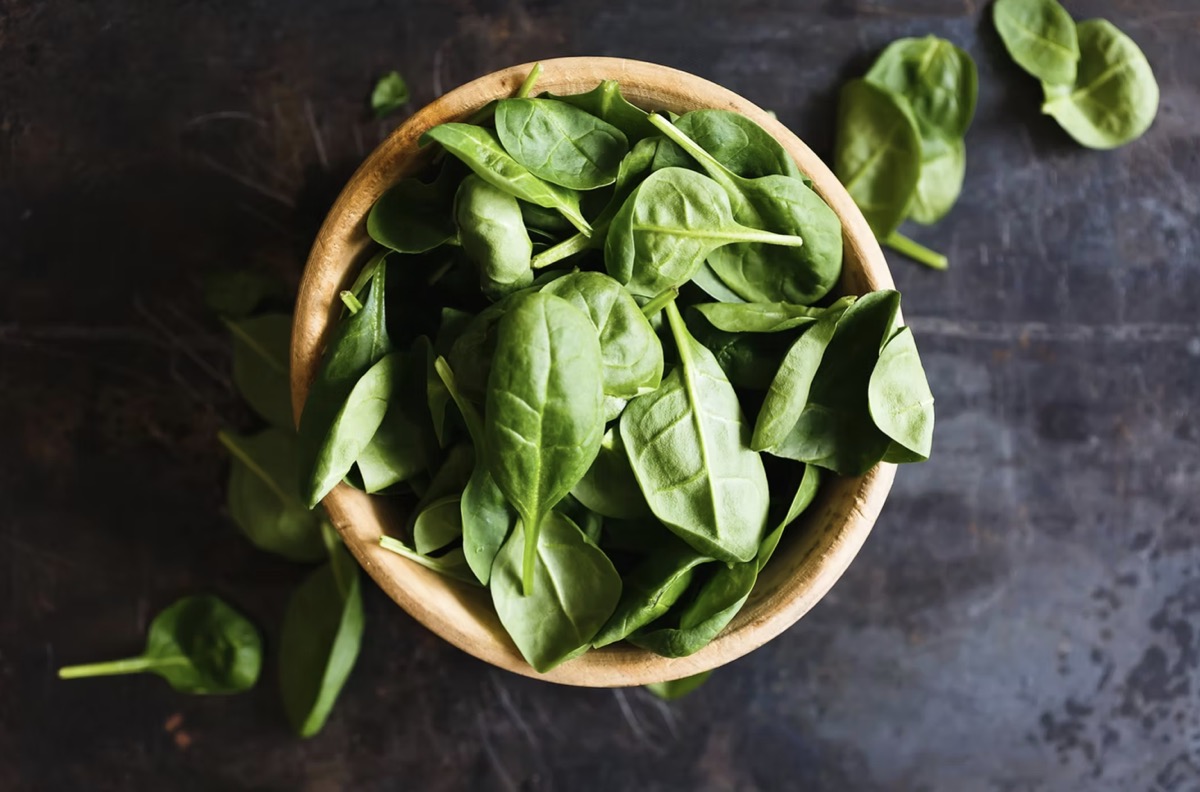
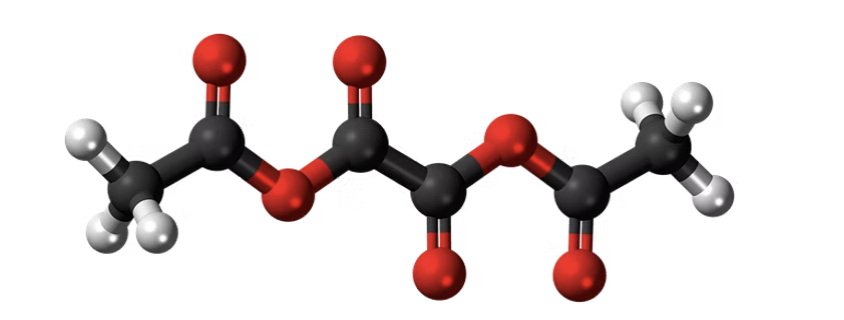
Oxalates (oxalic acid) are natural compounds found in plant foods like leafy greens, nuts, seeds, and legumes.
In the intestine they bind to calcium and are excreted in urine — but they readily form oxalate crystals.
Oxalate is a "non-nutrient": as far as we know it has no function in the human body, though plants make it to regulate calcium and defend themselves.
That defense angle is real. Antinutrients like oxalate taste bitter to deter animals, which is why we cook plants to soften the effect. Oxalate also binds minerals like calcium and iron and blocks their absorption.
How They Work
High oxalate intake can make you feel unwell, inhibit digestion, and in extreme cases be genuinely toxic. Plant foods carry antinutrients as protection — that's why we cook them.
You can't digest raw beans, and raw rhubarb leaves can be seriously poisonous.Oxalates also reduce nutrient absorption by binding minerals like calcium and iron before your body can use them.
Important nuance: most healthy people handle oxalate fine. It's unbalanced or metabolically vulnerable patients who react badly.
How Excess Oxalates Can Harm the Body
Kidney stones. Small amounts of calcium and oxalate in the urinary tract are normal. But susceptible patients form calcium oxalate crystals when oxalate binds calcium — urologists put them on a low-oxalate diet.
High urine oxalate is the core kidney-stone risk.
Nutrient loss. Oxalate binds calcium and iron in the intestine and cuts absorption — the calcium in spinach or chard is largely unavailable.
Possible IBS driver. The liver can synthesize oxalate from excess vitamin C, yeast, and fructose — so high fruit intake and fungal overgrowth can raise oxalate and drive systemic inflammation and inflammatory bowel disease.
The broader symptom picture. With high blood oxalate, effects are reported across many systems:
- Joints: joint pain, arthritis, chondrocalcinosis, spinal stenosis, synovitis, tenosynovitis, bursitis
- Kidneys: acute tubular necrosis, interstitial fibrosis, nephrocalcinosis, stones
- Heart: arrhythmias, diastolic dysfunction, valvular abnormalities, impaired ejection fraction
- Skin: livedo reticularis, acrocyanosis, papules and nodules, non-healing ulcers, rashes
- Eyes: retinal oxalate deposition
- Nerve/muscle: axon loss and demyelination, myopathies, polyradiculoneuropathies
- Teeth: periodontitis, jaw and root resorption, dental mobility
- Bone marrow: ESA-resistant anemia
- Bones: fractures, pseudofractures, sclerosis, cystic changes, dense metaphyseal bands
The full detail is in this paper: https://www.ncbi.nlm.nih.gov/pmc/articles/PMC3710657/
What Foods Are High in Oxalates
Most plant foods carry some oxalic acid, but the highest concentrations sit in seeds and leaves.
The usual culprits, with rough amounts:
- Spinach: ~1500 mg per half cup cooked
- Rhubarb: up to 1080 mg per cup
- Soy products: ~350 mg per cup of soy milk or yogurt
- Beets: ~150 mg per cup
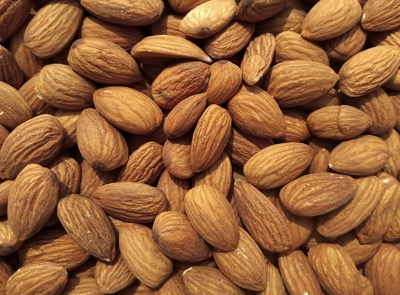
- Almonds: ~120 mg per ounce
- Potatoes: up to 100 mg, especially the skin
- Chocolate: ~65 mg per cup of hot chocolate
- Raspberries: up to 50 mg per cup
A low-oxalate diet is generally considered under 100 mg per day. Note the source of these figures should be verified against a food-oxalate database before publishing — the numbers are widely cited but worth confirming.
Oxalate Dumping Symptoms
If you cut oxalates drastically and fast, you may feel a detox reaction — reported as flu-like, with headaches, digestive trouble, and fatigue.
Reported symptoms include:
- Allergic-type reactions, skin rashes
- Muscle cramping, generalized joint pain
- Painful eyes, brain fog, fatigue
- Gum inflammation, cystitis
- Depression, headaches and migraines
- IBS and digestive complications
These symptoms are thought to be the body releasing stored oxalates as it mobilizes and excretes them. They typically last days to a few weeks and usually resolve on their own.
Be honest with yourself here: evidence for oxalate dumping is limited, and it's not a formally recognized diagnosis everywhere. The dumping reaction is described as temporary, but the long-term risk that does have hard evidence is hyperoxaluria — chronically high urine oxalate driving kidney stones and kidney damage.
How to Avoid Oxalate Dumping
If you have calcium oxalate stones, autoimmune disease, or inflammatory arthritis, you probably need to cut oxalate. The trick is doing it gradually — and with supervision. A crash switch to low-oxalate foods is exactly what triggers dumping.
- Reduce high-oxalate foods slowly. Don't slash intake overnight. Step down over weeks, not days.
- Add calcium with meals. More calcium in the gut binds oxalate before it reaches the kidneys and cuts stone formation. Dairy — milk, cheese, yogurt — helps here. Calcium citrate supplements do the same.
- Consider vitamin B6. B6 deficiency raises oxalate,3 though deficiency is uncommon; only primary hyperoxaluria patients clearly benefit from B6.
- Don't self-prescribe. Get a provider's guidance before overhauling your diet.
How Chinese Medicine Helps
Acupuncture and Chinese herbs are excellent for easing dumping symptoms — but understand the mechanism:
TCM doesn't treat "oxalate dumping" as a label. It rebalances the body so your own systems do the job better.
Herbal medicine. Custom formulas support oxalate elimination and toxin clearance, kidney function, leaky gut, painful bowel movements, and stone risk — and support thyroid function.
Acupuncture. Acupuncture acts on the nervous system, balancing sympathetic and parasympathetic tone so the body works in optimal conditions. Through that, it eases dumping side effects and improves organ function.

FAQ
- What is oxalate dumping?
A temporary reaction — flu-like symptoms, joint pain, brain fog, rashes — that some people get when they cut high-oxalate foods too fast as the body releases stored oxalate.
- How long does oxalate dumping last?
Usually days to a few weeks, and it generally resolves on its own.
- Is oxalate dumping a real, recognized condition?
Partly. It's widely reported and clinically described, but not a formally recognized diagnosis in mainstream medicine — so treat the concept as plausible rather than settled.
- How do I stop oxalate dumping?
Reduce high-oxalate foods gradually, add calcium with meals, and get supervised guidance instead of cutting overnight.
- Which foods are highest in oxalate?
Spinach, rhubarb, soy, beets, almonds, potato skin, chocolate, and raspberries top the list. A low-oxalate diet is under ~100 mg a day.
- Who should lower oxalates?
People with calcium oxalate kidney stones, autoimmune disease, or inflammatory arthritis — ideally under a provider's care.
- Can Chinese medicine help?
It can ease the symptoms by rebalancing the body and supporting kidney, gut, and nervous-system function — alongside your regular provider.
Conclusion
Oxalate dumping is a real, uncomfortable reaction to cutting high-oxalate foods too fast — and the fix is patience: step down gradually, pair meals with calcium, and get guidance. Chinese medicine, through acupuncture and herbs, can ease the transition by helping your body rebalance.
Struggling with oxalate symptoms? Contact us at Soul Acupuncture & Herbal for a personalized plan.
This article is meant to educate, not to diagnose or treat. Always contact your primary care provider.