
Purple Feet: Causes, Symptoms, and When to Get Treatment
By Eduardo Velasco Valido, AP, LAc
Reading time: ~8 min
Look down and notice your feet turning purple? It can be alarming — but it usually isn't an emergency, and it usually has a clear cause. Purple feet (the medical term is acrocyanosis) happens when blood flow to the feet is reduced, often from cold.
Acupuncture and Chinese herbal medicine improve circulation and address the underlying imbalance, while conventional medicine targets the diseases behind it. In this guide, we'll cover the causes, the symptoms, and — most importantly — the signs that mean it's serious.
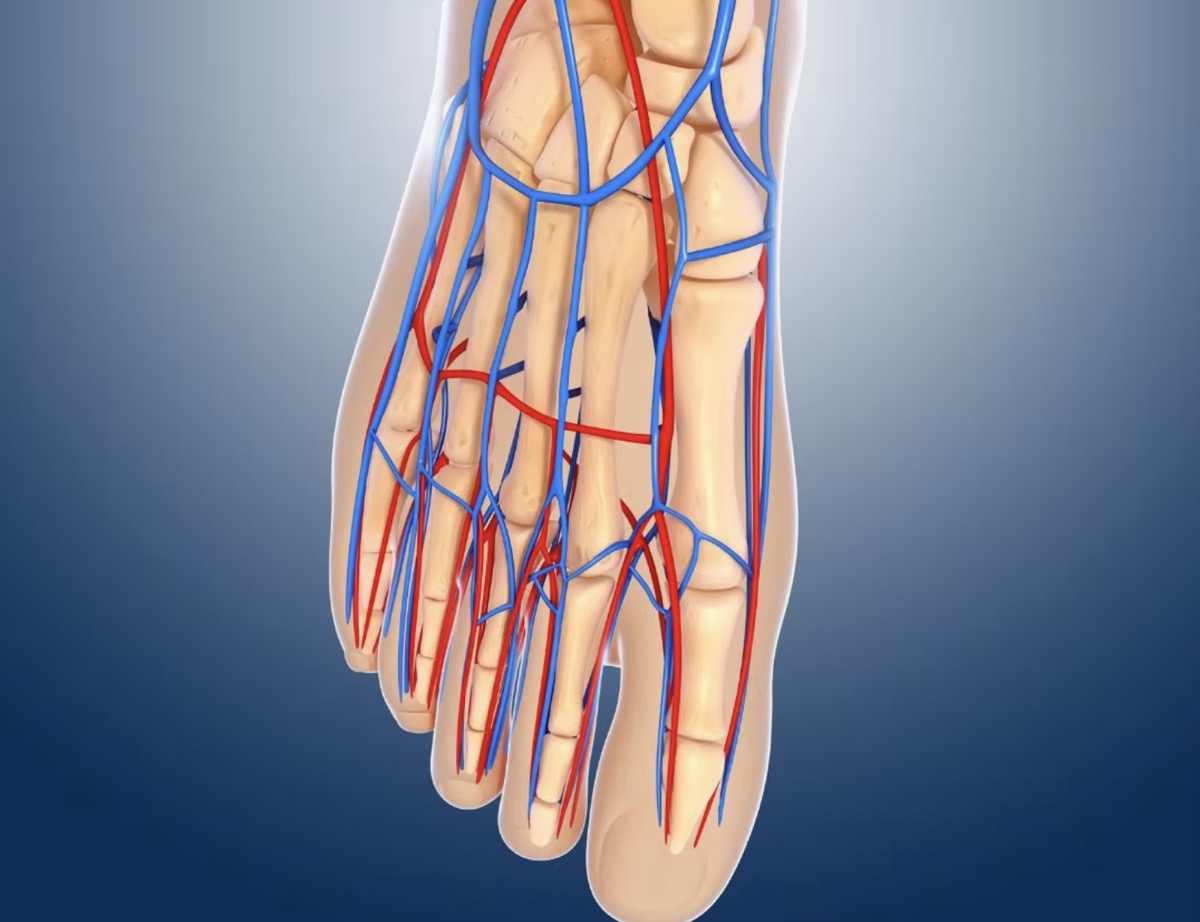
What Purple Feet Actually Mean
Acrocyanosis is a bluish or purplish discoloration of the feet, hands, or lips caused by reduced blood flow to those tissues.
It's most common in cold weather — and, despite what some sources say, it is not rare. It's frequently benign.
That said, purple feet are a vascular sign, and vascular disease is a leading cause of death worldwide.
Purple discoloration can be harmless cold response or a marker of diabetes, Raynaud's disease, peripheral artery disease, or a clotting disorder. The distinction is the whole point of this article.
Treatment focuses on restoring circulation and managing any underlying condition. Western medicine and Traditional Chinese Medicine both treat vascular disease — from opposite directions.
Possible Causes of Purple Feet
Purple feet are usually vascular.
The main causes:
- Poor circulation — reduced blood flow from peripheral artery disease (PAD) or Raynaud's disease.
- Peripheral neuropathy — nerve damage from diabetes or alcohol, which compromises circulation and skin color.
- Cold exposure — blood vessels constrict in the cold; classic in Raynaud's.
- Blood disorders — deep vein thrombosis (DVT) or venous insufficiency cause clots that block flow. Diet plays a role too: oxalate dumping can affect circulation and strain the kidneys.
- Infection or inflammation — cellulitis or vasculitis obstruct vessels and discolor the skin.
- Metabolic disorders — high blood glucose in diabetics narrows vessels and reduces flow, driving everything from aches and nerve damage to PAD, DVT, heart attack, and stroke.
How Purple Feet Are Diagnosed
A provider will work through:
- Physical exam — checking temperature, pulses, and visible abnormalities.
- Medical history — pre-existing conditions and medication changes.
- Blood work — cell counts and inflammation markers.
- Imaging — ultrasound or angiography for vessels; chest X-ray or CT for heart and lungs.
Treatment Options
Treatment depends on the cause.
Both Western medicine and TCM treat vascular disease — from opposite directions:
Western care targets the disease, TCM targets the circulation and the underlying imbalance.
Western Medicine
Medication first — to control blood pressure, lower cholesterol and blood sugar, and stop smoking. Antiplatelet drugs like aspirin may improve circulation. In advanced vascular disease, surgery can graft a healthy vessel from elsewhere in the body to bypass the narrowed artery.
Traditional Chinese Medicine
Chinese herbs and acupuncture have treated cardiovascular disorders for thousands of years.
TCM's diagnostic system and long clinical record have drawn international attention — and while the exact mechanisms aren't fully mapped, the clinical track record for vascular and circulatory disease is real.
(Studies below.)
The Evidence
- Effect of Traditional Chinese Medicine on Cardiovascular Diseases:
- Uncaria + Semen Raphani on vascular endothelium in hypertensive rats
- Electroacupuncture in patients recently operated for peripheral arterial disease
- Acupuncture enhances nitric oxide generation and local circulation
Prevention and Self-Care
Not all cases are preventable, but these reduce risk and severity:
- Keep feet warm — proper footwear and warm socks in cold weather.
- Live healthy — regular activity, balanced diet, manage chronic conditions.
- Care for your feet — hygiene, moisturize, inspect regularly for changes.
- Watch carbohydrates and industrial seed oils — one view with growing research behind it is that seed oils are inflammatory to the cardiovascular system and carb overload drives inflammation and reduces circulation.
If you already have circulatory problems, cutting both and eating heart-healthy is a reasonable move.
When to See a Doctor
It's important to consult a healthcare professional if you experience persistent purple discoloration in your feet or if you have concerns about accompanying symptoms.
Prompt medical attention can help identify and address any underlying health conditions contributing to the discoloration.
You will need immediate medical attention if you have, in addition to blue or purple feet, hands, or lips, the next signs: fever, headache, shortness of breath, chest pain, dizziness, pain or numbness on the legs or arms, and, or profuse sweating.
These signs are considered a medical emergency.

FAQ
Can purple feet be a sign of something serious?
Yes — they can indicate ischemia, which can be serious. See a doctor if a foot turns blue without a bump or bruise.
What should I do if my feet turn purple in the cold?
It's a sign you need better circulation, and possibly Raynaud's. Confirm the diagnosis with your MD, then treat it with TCM.
Are there home remedies?
Depends on the cause. If cold triggers it, a warm foot bath may help — but get a diagnosis first.
Can purple feet be reversed?
Improve circulation. Herbs and acupuncture have a long record with vascular disorders. If you want new results, try something new.
Are there risk factors?
Nutrition is a big one. Carb overload drives inflammation and cuts circulation. If you have circulatory issues in the feet or legs, cut carbs and seed oils and eat heart-healthy.
Conclusion
Purple feet are worrisome, but understanding the causes and getting advice is what makes proper diagnosis and treatment possible.
Address the underlying cause and the symptoms can be managed.
Alongside your regular provider, try TCM with Chinese herbs and acupuncture to treat the root imbalance and recover healthy circulation.
This article is meant to educate, not to diagnose or treat. Always contact your primary care provider.