Acupuncture for Sinus Relief: A Natural Solution for Congestion and Sinus Pain
By Eduardo Velasco Valido, AP, LAc
Reading time: ~8 min
Stuffy nose, facial pressure, that heavy sinus headache — sinus congestion can make it hard to breathe, think, or sleep. Acupuncture and Traditional Chinese Medicine offer a drug-free way to clear the sinuses, ease pain, and support the body's own healing.
In this guide, we'll explain how acupuncture helps sinus problems, the TCM patterns behind them, and what research says — so you can decide if it's right for you.

What Is Sinusitis?
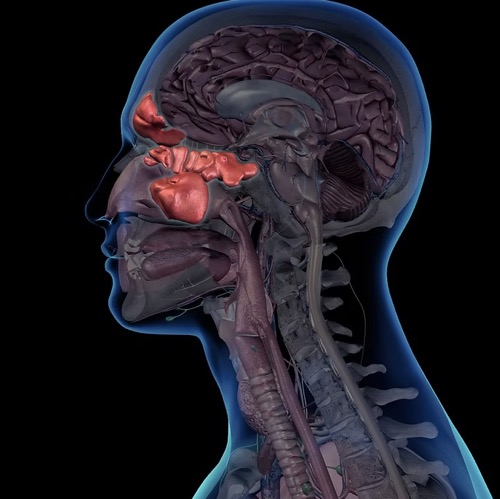
Sinusitis is inflammation of the sinuses — the air-filled cavities around the nose and eyes. When they swell and mucus can't drain, you get congestion, facial pressure, and pain.
Two main causes:
- Infection — viral, bacterial, or fungal. Most acute cases are viral and often clear on their own within about 7–10 days.
- Non-infectious triggers — allergic rhinitis, structural problems (deviated septum, nasal polyps), air pollution, air-pressure changes, and other environmental factors.
By duration:
- Acute: under 4 weeks
- Subacute: 4–12 weeks
- Chronic: 12 weeks or longer (often the result of ineffective treatment)
Signs & Symptoms
- Nasal congestion and blocked passages
- Facial pain and pressure
- Sinus headaches
- Ear pain
- Nausea, dizziness, pain
- Fatigue
- Thick yellow or green discharge
- Runny nose, reduced smell or taste
Red flags — see a doctor: symptoms lasting 10+ days without improvement, high fever, or severe facial swelling.
Western Medicine Treatment — and Its Limits
Conventional care includes:
- Nasal irrigation (saline rinse) — the simplest and often most effective home treatment for clearing mucus and reducing congestion.
- Corticosteroids (nasal or oral) — reduce inflammation and pressure.
- Antibiotics (e.g., amoxicillin, doxycycline) — for bacterial cases only; useless against viruses.
- Antihistamines (Claritin, Zyrtec, Xyzal) — help when allergies drive symptoms.
- Decongestant sprays — effective, but overuse (more than ~3 days) causes rebound congestion.
- Surgery — for structural problems when other options fail.
The gap: antibiotics don't touch viral sinusitis; decongestants rebound; steroids manage but don't fix. This is exactly where acupuncture and Chinese herbs fit — supporting drainage and reducing inflammation without drugs.
Sinusitis in Traditional Chinese Medicine
TCM focuses on strengthening the patient rather than only fighting the disease. When the body is balanced and strong, it overcomes illness on its own.
Sinus congestion, sinus pressure, sinus headaches, and allergic rhinitis all reflect an immune system out of balance with its environment — and the fix is restoring overall health, not just suppressing symptoms.
TCM Syndromes & Acupuncture Points
Below are the most common patterns and their points. Pattern matters — the wrong protocol treats the wrong problem.
1. Wind Cold — Early Cold with Clear Mucus
Plain language: early-stage cold — clear mucus and sneezing.
Signs: acute sinusitis, clear discharge, sneezing.
Points: LI 4, LI 20, LU 7, BL 2, BL 11, BL 13.
2. Wind Heat — Hot Cold with Yellow Mucus
Plain language: a "hot" cold — yellow mucus, possible fever.
Signs: acute rhinitis, itchy throat, nasal symptoms with yellow mucus, possible fever, sinus headache.
Points: LI 4, LI 20, LU 7, SJ 5, LI 11, BL 2.
3. Lung Phlegm Cold — Chronic White Phlegm
Plain language: chronic, white phlegm and cough.
Signs: chronic sinusitis, white mucus, cough with lots of white phlegm.
Points: LI 4, LI 20, LU 6, ST 40, BL 2, BL 13.
4. Lung Phlegm Heat — Chronic Yellow Phlegm
Plain language: chronic congestion with yellow phlegm and heat signs.
Signs: chronic nasal congestion, yellow phlegm, flushed face, feeling hot, sinus headaches, thirst.
Points: Bi Tong, LI 4, LI 20, LU 10, ST 40, GB 20, BL 13.
5. Stomach Damp Fire — Sticky Phlegm and Lost Smell
Plain language: sticky yellow phlegm with facial heat and lost smell.
Signs: sticky-yellow phlegm, nasal symptoms, red cheeks, thirst, dry lips, loss of smell, frontal sinus headache, chest/epigastric oppression.
Points: REN 12, BL 20, REN 9, BL 22, SP 9, LI 11, LI 4, BL 2.
6. Lung & Spleen Qi Deficiency — Chronic Low-Energy Congestion
Plain language: chronic, low-energy congestion with poor smell and polyps.
Signs: white sticky discharge without smell, nasal congestion, reduced smell, low energy, low appetite, loose stools, polyps, sinus headaches.
Points: LU 7, LI 4, LI 20, BL 2, Yintang, ST 8, ST 36, REN 12, BL 20, BL 13, SP 6.
Chinese Herbal Medicine for Sinus Relief
Acupuncture alone works — but combining it with the right herbal formula and nutritional guidance clears sinus problems faster than acupuncture alone.
A trained Chinese Medicine practitioner prescribes based on your pattern, not a one-size-fits-all remedy.Common pattern-matched formulas include:
- Wind Cold / Wind Heat: formulas that release the exterior and open the nose.
- Phlegm patterns: formulas that transform phlegm and clear the sinuses.
- Deficiency patterns: tonic formulas to strengthen Lung and Spleen Qi and prevent recurrence.
Because each formula targets a specific pattern, the correct match delivers strong results — and the wrong one doesn't. This is why self-prescribing herbs underperforms professional treatment.
Home Remedies That Pair With Acupuncture
These are the simplest, best-supported ways to support your treatment between sessions:
- Saline nasal irrigation (neti pot or spray) — the single most effective home measure for clearing mucus.
- Steam inhalation — loosens mucus and eases congestion.
- Stay well hydrated — thins mucus so it drains.
- Warm compress over the sinuses — relieves facial pressure.
- Humidifier — keeps nasal passages from drying out.
- Avoid allergens and known triggers.
These are not alternatives to treatment — they're force multipliers. Combined with acupuncture and herbs, recovery is faster and flare-ups are less frequent.
The Evidence: Acupuncture for Sinus Problems
Research supports acupuncture as a complementary option for sinus and nasal symptoms:
- Acupuncture may help allergic rhinitis and nasal congestion (PMC5311890): https://www.ncbi.nlm.nih.gov/pmc/articles/PMC5311890/
- Acupuncture for chronic sinusitis / nasal obstruction (PMC1781596): https://www.ncbi.nlm.nih.gov/pmc/articles/PMC1781596/
- Acupuncture reduces allergic rhinitis symptoms vs. control (PMC3094706): https://www.ncbi.nlm.nih.gov/pmc/articles/PMC3094706/
FAQ
Can acupuncture help with chronic sinusitis?
Yes. By addressing the underlying imbalance and supporting healthy sinus drainage, acupuncture can reduce symptoms and the frequency of flare-ups.
What causes sinus headaches?
Sinus headaches come from inflammation and pressure in the blocked sinus cavities, usually during infection or allergic flare-ups.
Is acupuncture better than antibiotics for sinusitis?
They do different jobs. Antibiotics only work on bacterial infection; acupuncture supports drainage and inflammation regardless of cause — so it helps viral and chronic cases too.
Is acupuncture painful?
No. The needles are extremely thin — most people feel only a mild pinch, then a light tingling or heaviness that signals the treatment working.
Are there side effects?
Rare — possible mild bruising or soreness at insertion sites. Choosing a licensed practitioner minimizes risk.
Can I use acupuncture alongside my medications?
Yes, it's complementary. Tell your acupuncturist and your doctor what you're taking.
Are the results long-lasting?
Varies by person. Some get lasting relief; others use periodic maintenance sessions.
Conclusion
Acupuncture for sinus relief offers a natural, holistic way to clear congestion, ease sinus pressure, and support healthy breathing — without relying on drugs that rebound or only mask symptoms.
By targeting the correct TCM pattern and pairing treatment with herbs and simple home care, most patients find real relief.
Tired of struggling with sinus issues? Contact us at Soul Acupuncture & Herbal for a personalized treatment plan.
This article is meant to educate and not to diagnose or treat. Always contact your primary care provider.